
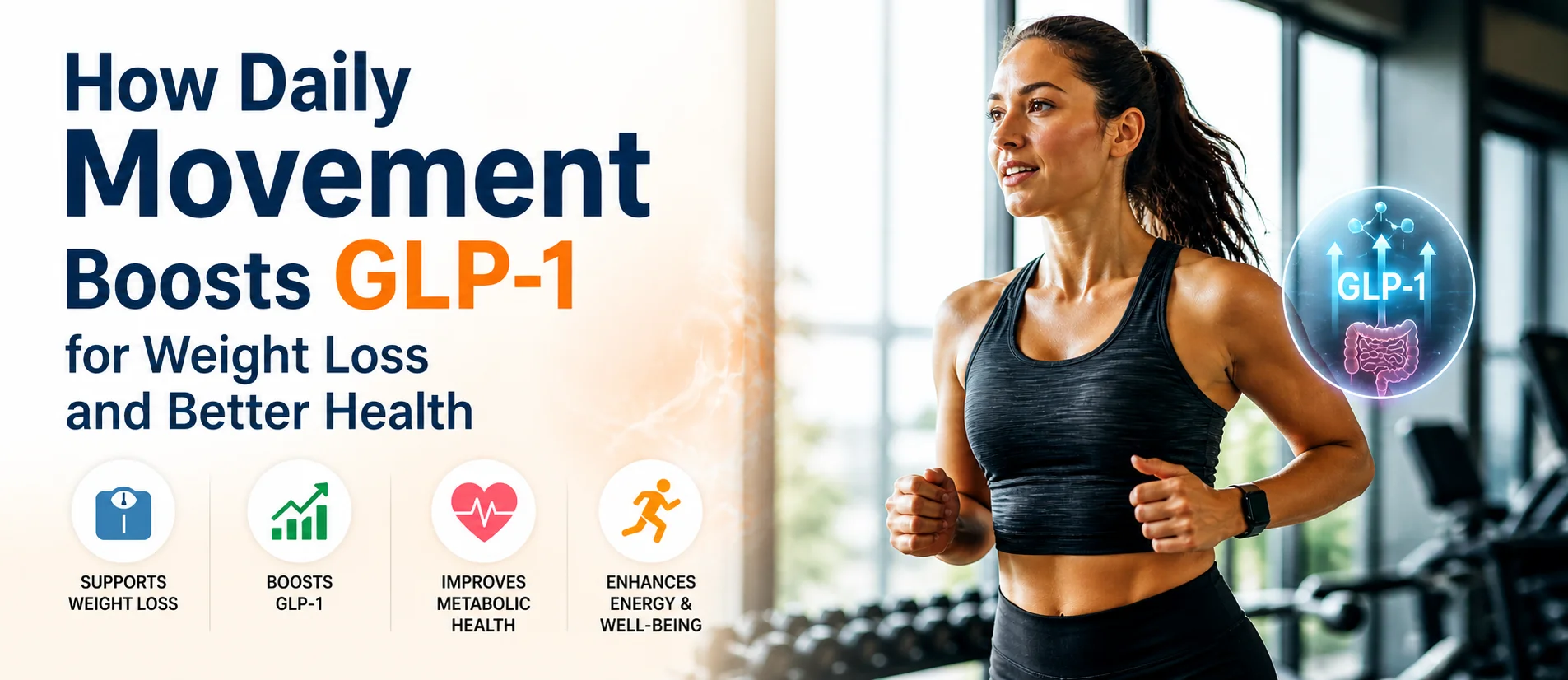
Understanding GLP‑1 (glucagon-like peptide-1) has transformed approaches to weight loss and metabolic health. This gut hormone supports appetite regulation, blood sugar control, and overall quality of life. While some rely on GLP‑1 therapy or medications, research shows that natural ways like daily movement can optimize your hormone function.
In this article, you will learn how movement impacts GLP‑1, how it interacts with gut hormones, and practical strategies to enhance your daily routine, improve heart health, and reduce the risk of chronic diseases.
What GLP‑1 Does in Your Body
GLP‑1 is released from the digestive system after eating. Its key functions include
- Slowing stomach emptying for prolonged fullness
- Enhancing insulin sensitivity and regulating blood sugar
- Reducing appetite through hormone signaling in the brain
- Supporting energy balance and weight management
Studies show that higher GLP‑1 levels help prevent spikes in appetite and stabilize glucose levels. It also interacts with amino acids and other nutrients to improve metabolism.
Medical conditions such as type 1 diabetes, high blood pressure, and chronic diseases can benefit from GLP‑1 support. Research suggests that regular activity and GLP‑1 enhancement improve heart health, reduce the risk of heart attacks, and promote a healthier digestive system.
How Movement Enhances GLP‑1 and Health Benefits
Morning Movement for Hormone Activation
Starting the day with morning movement sets the tone for hormone function. Light activity such as stretching or yoga improves blood flow and prepares your body for better hormone response throughout the day.
Studies suggest that consistent morning activity improves postprandial GLP‑1 levels, supporting appetite control and blood sugar regulation. Over time, this contributes to a stronger daily routine and better quality of life.
Walking After Meals
Walking after meals is simple yet highly effective. Even 10 to 20 minutes of walking
- Enhances stomach emptying
- Supports insulin sensitivity
- Helps regulate appetite
- Reduces the impact of high-calorie meals on blood sugar
Research suggests that post-meal walks improve GLP‑1 secretion and can protect against type 1 diabetes complications and other medical conditions.
Resistance and Interval Training
Resistance training builds muscle, which helps your body utilize glucose efficiently and improves metabolic health.
Interval training, alternating high and low intensity, boosts hormone response, increases calorie burn, and supports heart health. These exercises also contribute to reducing high blood pressure and lowering the risk of heart attacks.
Together, resistance and interval training complement activity throughout the day and strengthen GLP‑1 signaling.
Daily Activity Plan and Movement Breaks
Consistency is key. A daily activity plan that includes movement breaks and light activity prevents inactivity and supports gut hormones. Examples include
- Standing or stretching every hour
- Taking stairs instead of elevators
- Gardening or active household chores
- Light walking between tasks
Habit formation around movement is crucial. By integrating these activities into your healthy routine, you enhance GLP‑1 function and improve energy balance.
Supporting Your Gut and Hormones
Gut Microbiome
A healthy digestive system is vital for GLP‑1 production. Physical activity nurtures a balanced gut microbiome, which influences appetite, metabolism, and weight management. Foods rich in fiber and amino acids further support GLP‑1 secretion and metabolic health.
Stress Reduction and Cortisol
Chronic stress elevates cortisol, which can impair GLP‑1 function. Activities like yoga, stretching, and regular daily movement reduce stress levels. This supports appetite regulation, enhances hormone sensitivity, and improves overall health benefits.
Meal Timing and Exercise Synergy
Strategic meal timing paired with movement maximizes GLP‑1 benefits. Exercising shortly after meals aids in
- Controlling appetite
- Supporting blood sugar control
- Enhancing energy balance
- Reducing the risk of chronic diseases like type 1 diabetes and heart disease
Studies show that this simple habit can significantly improve metabolic outcomes over time.
Health Conditions Improved by GLP‑1 and Movement
Research suggests that GLP‑1 support through movement can benefit individuals with
- Type 1 diabetes
- High blood pressure
- Heart attacks risk
- Chronic diseases including obesity and metabolic syndrome
- Digestive issues
Regular movement also enhances quality of life, supports heart health, and helps prevent medical conditions related to poor hormone function.
Practical Tips for a GLP‑1 Friendly Routine
- Morning movement of 5 to 10 minutes of stretching or yoga
- Walking after meals for 10 to 20 minutes
- Resistance training two to three sessions per week
- Interval training one to two sessions per week
- Movement breaks by standing, stretching, or walking every hour
- Daily activity plan including stairs, active chores, and light walks
- Stress management by incorporating yoga or meditation for cortisol reduction
GLP‑1 Therapy and Natural Enhancement
While GLP‑1 therapy and medications can help manage weight loss and certain metabolic conditions, combining these with daily movement maximizes benefits. You can safely buy GLP 1 online with professional guidance, but lifestyle interventions remain the foundation for long-term results.
Conclusion
Daily movement is one of the most effective ways to boost GLP‑1, improve metabolic health, support weight management, and prevent chronic diseases. Whether through morning movement, walking after meals, resistance training, or activity throughout the day, small and consistent actions lead to major health benefits.
Building a healthy routine and integrating a daily activity plan strengthens hormone response, enhances appetite control, and improves quality of life. Begin today and take control of your health with movement and lifestyle strategies that your body will thank you for.
For additional support in managing weight and GLP‑1 levels, you can safely buy GLP 1 online through trusted medical channels with professional guidance.
References
- Holst, J.J., & Madsbad, S. Mechanisms of action of GLP-1 in the regulation of glucose metabolism. Diabetes Care, 39(Suppl 2), S113–S123. PMC
- Flanagan, S., et al. Exercise and GLP-1 secretion in humans: postprandial effects. Frontiers in Endocrinology, 11: 543. Frontiers
- Healthline. GLP-1s and Exercise: How Movement Supports Weight Loss. Healthline
- Good Housekeeping. How to Increase GLP-1 Naturally.Good Housekeeping